Why Most Investors Overestimate Risk and Underestimate Their Resilience
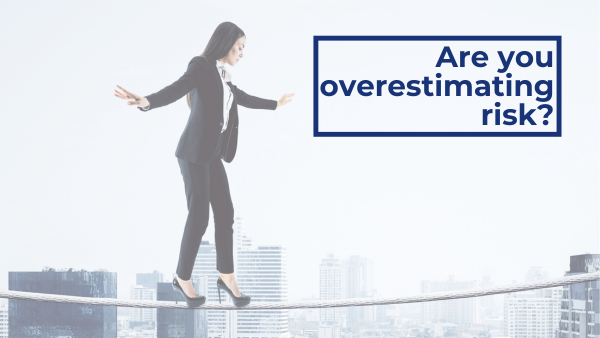
One of the most damaging beliefs I see in property investing is the idea that it’s simply “too risky”.
I hear it constantly. The deal stacks up, the numbers are solid, the strategy makes sense and yet something holds people back. The hesitation isn’t always loud.
Sometimes it shows up as endless research. Sometimes it looks like tweaking numbers for the tenth time. Sometimes it’s just a quiet decision to wait for a “better time”.
On the surface, it sounds responsible.
In reality, it’s often fear dressed up as excessive caution.
There are real risks in property. Feasibility risk, construction risk, holding cost risk, market timing risk. Anyone who says otherwise hasn’t done enough deals but these risks are visible. They can be assessed, buffered and managed.
What stops most investors isn’t real risk.
It’s imagined risk.
The gap between those two things is where people lose years.
The Mind’s Old Wiring
The human brain is wired to protect you. That wiring is ancient. In caveman days, risk meant life or death. If something looked uncertain, your safest option was to avoid it.
That wiring hasn’t changed much.
The problem is, developing a duplex is not being chased by a predator. A delayed approval isn’t a life-threatening event. A five percent cost variation isn’t extinction.
But your brain doesn’t distinguish very well between physical danger and financial uncertainty. It treats both as threats.
So it exaggerates.
A normal build variation becomes financial disaster in your imagination.
A delayed council response feels like the deal is collapsing.
A firm negotiation feels like personal rejection.
The mind isn’t trying to sabotage you. It’s trying to protect you but if you let it run unchecked, it will talk you out of growth.
The key isn’t to ignore fear. It’s to acknowledge it and then run it through a process that brings you back to reality.
The Real Cost Of Playing Too Safe
This is the part that genuinely frustrates me.
I’ve seen capable people spend five years “getting ready”. They consume content, attend workshops, refine spreadsheets and tell themselves they’re reducing risk.
Meanwhile, the market moves. Opportunities pass. Confidence erodes.
They think they’re avoiding a potential $50k mistake but in doing so they miss hundreds of thousands in growth, equity and experience. More damaging than the financial cost is what it does to their identity. The longer you hesitate, the easier it becomes to believe you’re not cut out for it.
That belief is far harder to unwind than a minor feasibility miscalculation.
What Actually Happens In The Real World
Across years of mentoring, there’s a very clear pattern.
The investors who move forward are not fearless. They simply stop treating every variable as catastrophic. They expect friction. They assume there will be questions from council. They build in buffers for cost shifts. They accept that timelines can move.
And when those things happen, they deal with them.
Almost every investor who completes their first development says some version of the same sentence afterwards: “It wasn’t as bad as I thought.”
That doesn’t mean it was easy. It means they were more resilient than their fear predicted.
They adapted. They negotiated. They made decisions. They adjusted when needed.
In other words, they operated.
How To Stop Your Mind Playing Tricks On You
The solution isn’t blind confidence. It’s structure.
When fear shows up, acknowledge it. Don’t suppress it, ask better questions.
What specifically is the risk here?
How likely is it?
What buffer have I allowed?
What would I do if that scenario happened?
Once you move from vague anxiety to defined variables, the threat shrinks to its true size.
Run the numbers conservatively.
Allow margin.
Stress test the deal.
Then decide based on facts, not imagined disasters.
You don’t eliminate risk in property. You manage it.
The Risk You’re Probably Ignoring
There’s another side to this conversation that most people avoid.
What is the risk of not acting?
What does another two years of hesitation cost you in growth and learning? What does shrinking your ambition do to your confidence? What happens when you look back and realise you delayed because of fear rather than flawed fundamentals?
Real risk should be respected.
Imagined risk should be challenged.
Final Thought
Most investors overestimate how dangerous a well-structured deal is and underestimate their own capacity to handle it.
You don’t need to be reckless. You need to be prepared.
Assess the real risks.
Put buffers in place.
Use process to ground your thinking.
Then back yourself.
Because in most cases, the biggest threat to your progress isn’t the market, council or the builder.
It’s an ancient protective system in your head that doesn’t realise you’re not in a cave anymore.
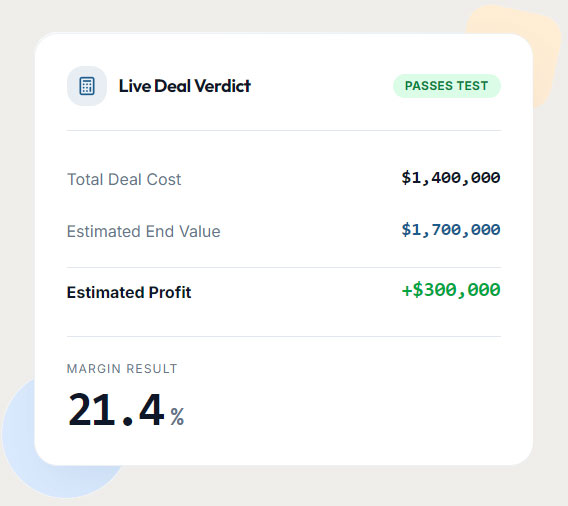
Know If a Property Deal Is Worth Pursuing, in Under 2 Minutes
Use the same framework experienced investors use to quickly filter renovation, subdivision, development and buy & hold deals, before wasting weeks on the wrong one.
0 thoughts on "Why Most Investors Overestimate Risk and Underestimate Their Resilience"